PhD

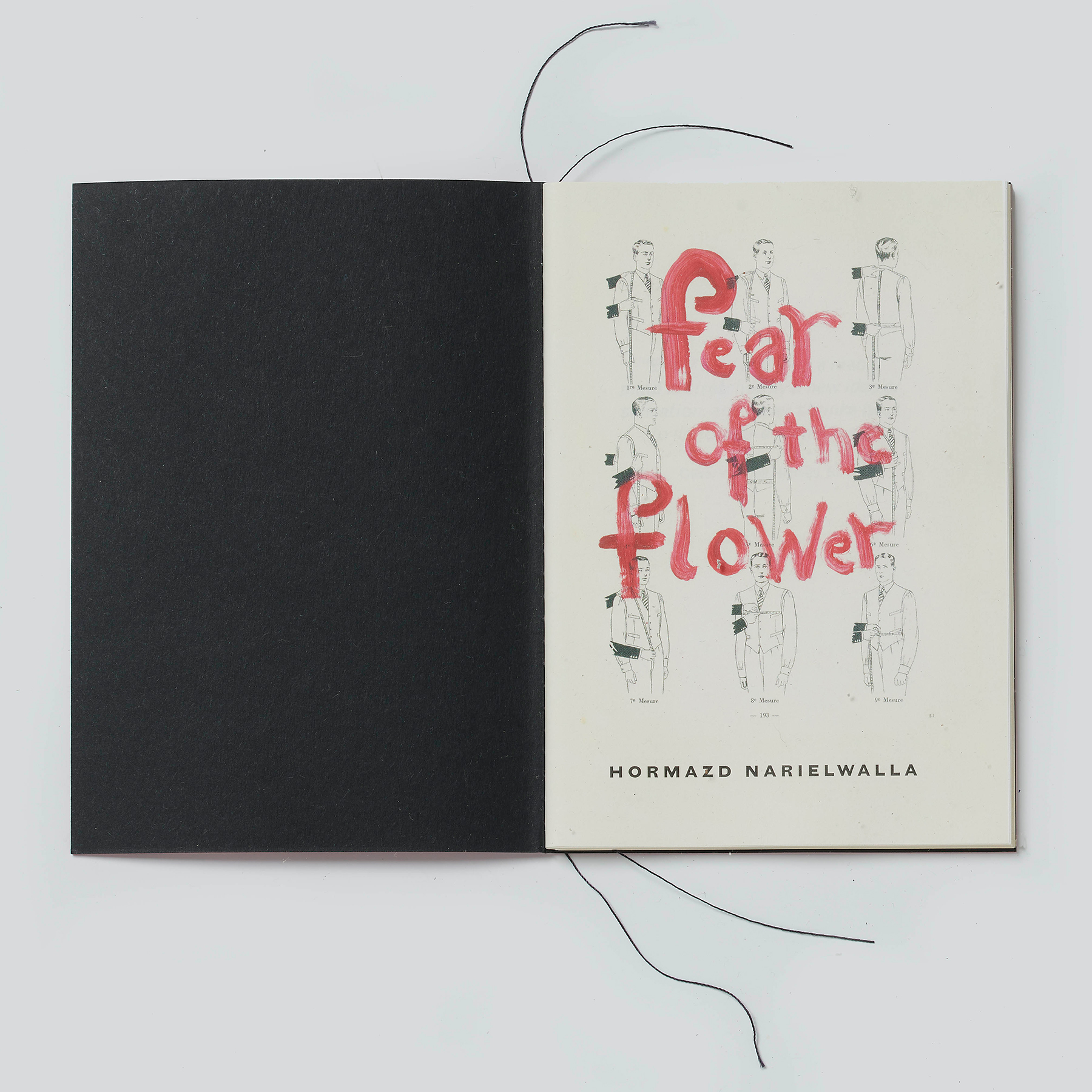
Patterns as Documents and Drawings: An artistic exploration o tailoring patterns as historical Documents and Drawings abstracting the human form.

London College of Fashion

Hypothesis

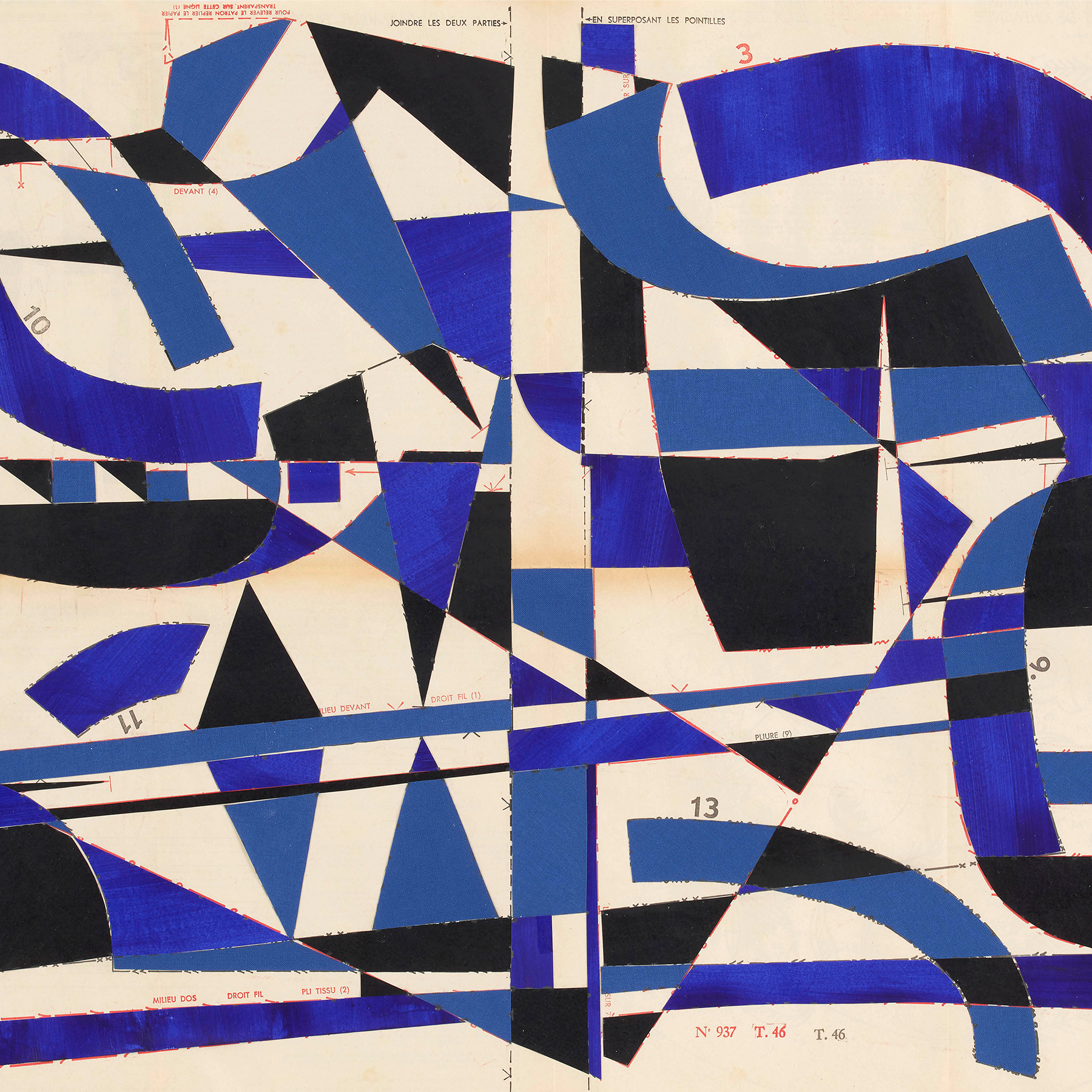
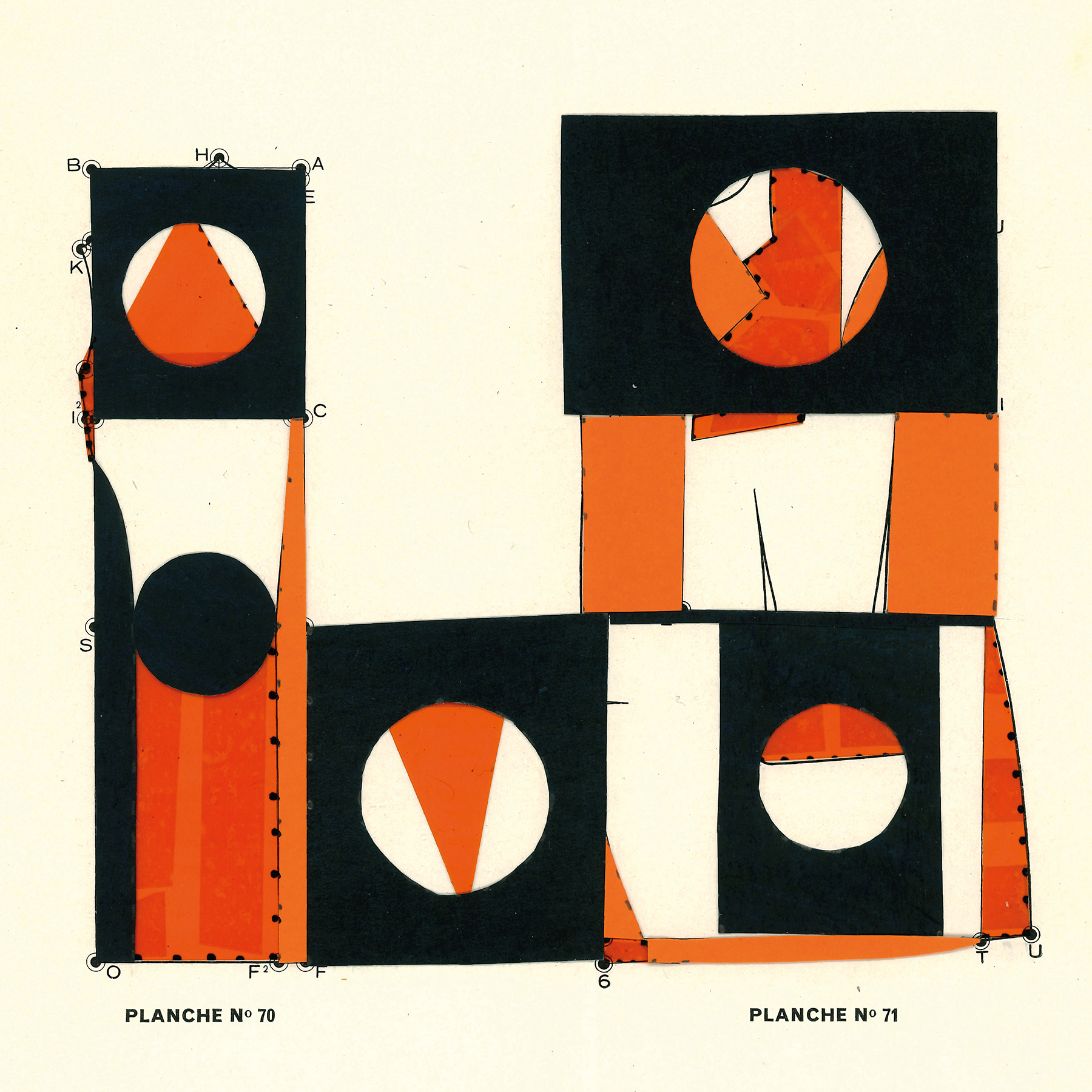
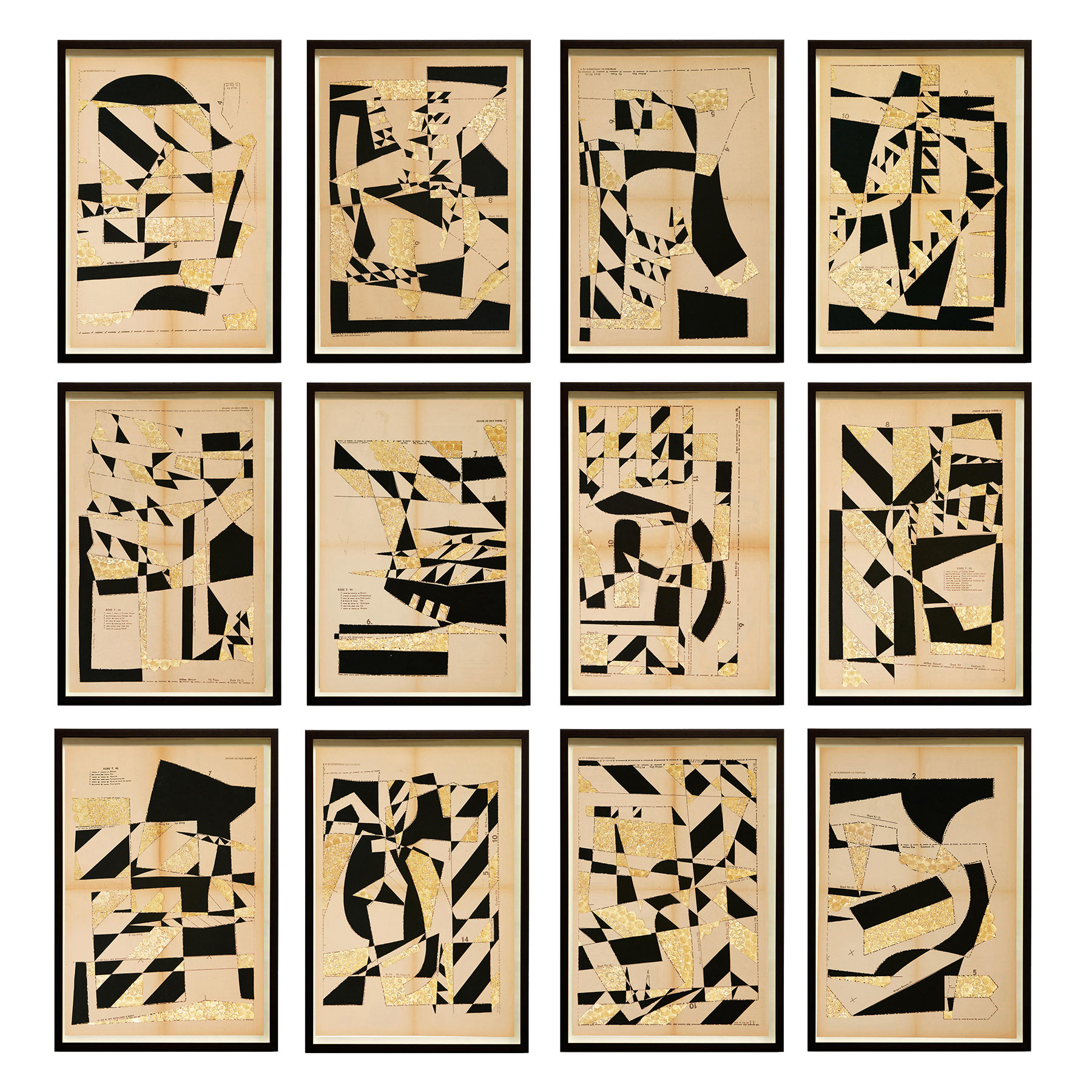
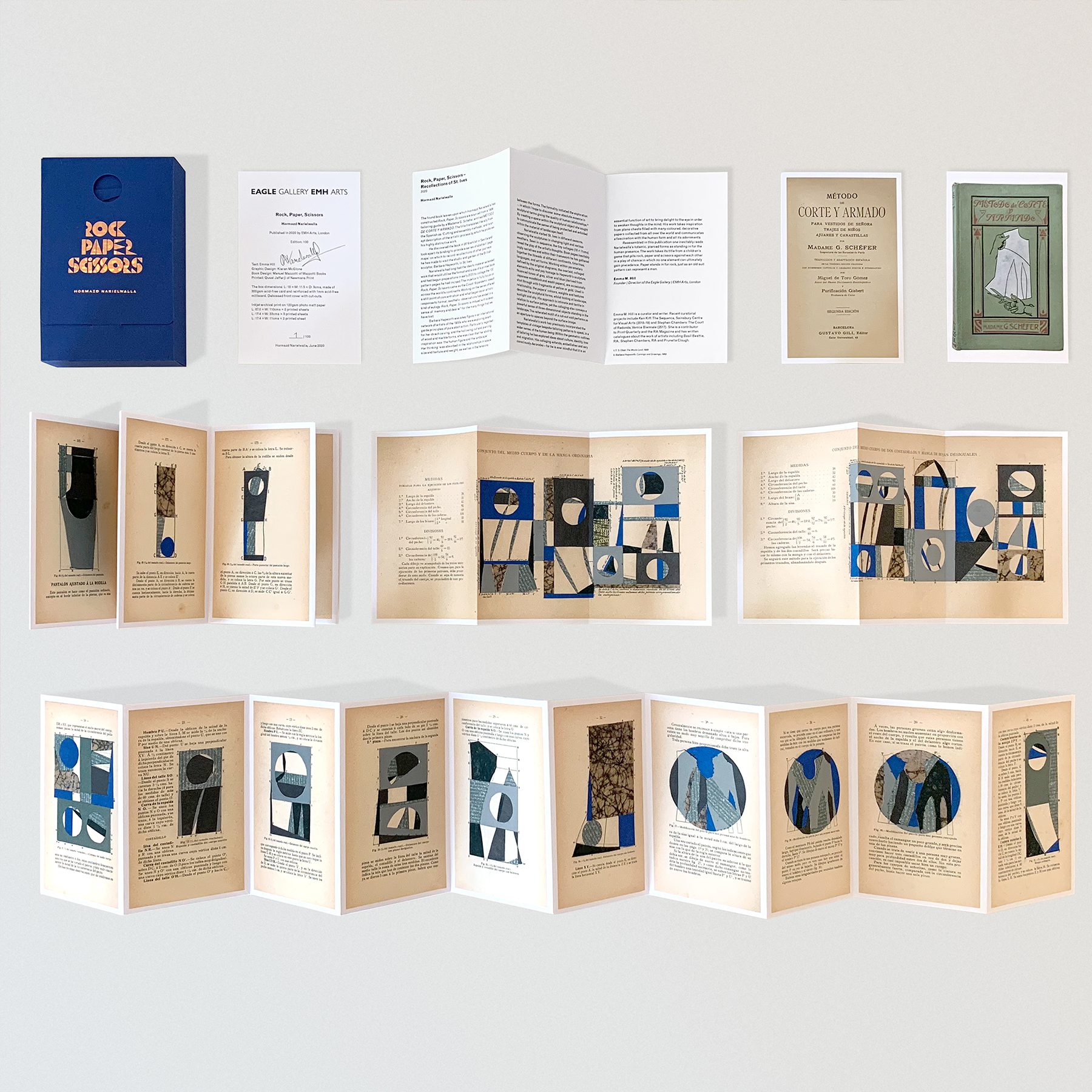
Tailoring patterns, which are typically discarded after the garment production process, are undervalued as things in themselves. Instead they can be viewed both as insightful historical Documents and beautiful Drawings in their own right. The thesis proposes to explore the articulation of construction details of uniforms of the British Raj by analysing British Army military pattern drafts along with the uniforms themselves. The thesis also embodies the pattern as a visual shape in an arts practice divorced from its tailoring knowledge.


Abstract

This thesis presents an art practitioner’s exploration of the uniforms of the British Raj using military tailoring pattern drafts as his raw material. Traditionally patterns are treated only as a means to the end; making clothes. Typically they are discarded once their purpose is fulfilled. Few people other than the tailor/pattern cutter have any relationship with them, as one would have with a garment. This thesis proposes tailoring patterns have been undervalued. They can be viewed as the primary historical documents of the clothing industry. Also, far from being a mechanical part of the production process, patterns can be viewed as drawings in their own right. As drawings they are unique abstractions of the human form that emerged independently of art history and significantly predate abstraction as an art practice. In this thesis they are also demonstrated to be a rich and rewarding material for a contemporary art practitioner to work with.

Due to complete in 2013.

Supervisors: Sandy BlackAlan Cannon-JonesPenelope Watkin and Charlotte Hodes


Observation drawing - Mess Coat Forepart

Mess Jacket forepart pattern